
Materials
Sustainable Materials Worth Considering for Your Next Build
BuildcoreJuly 9, 20268 min
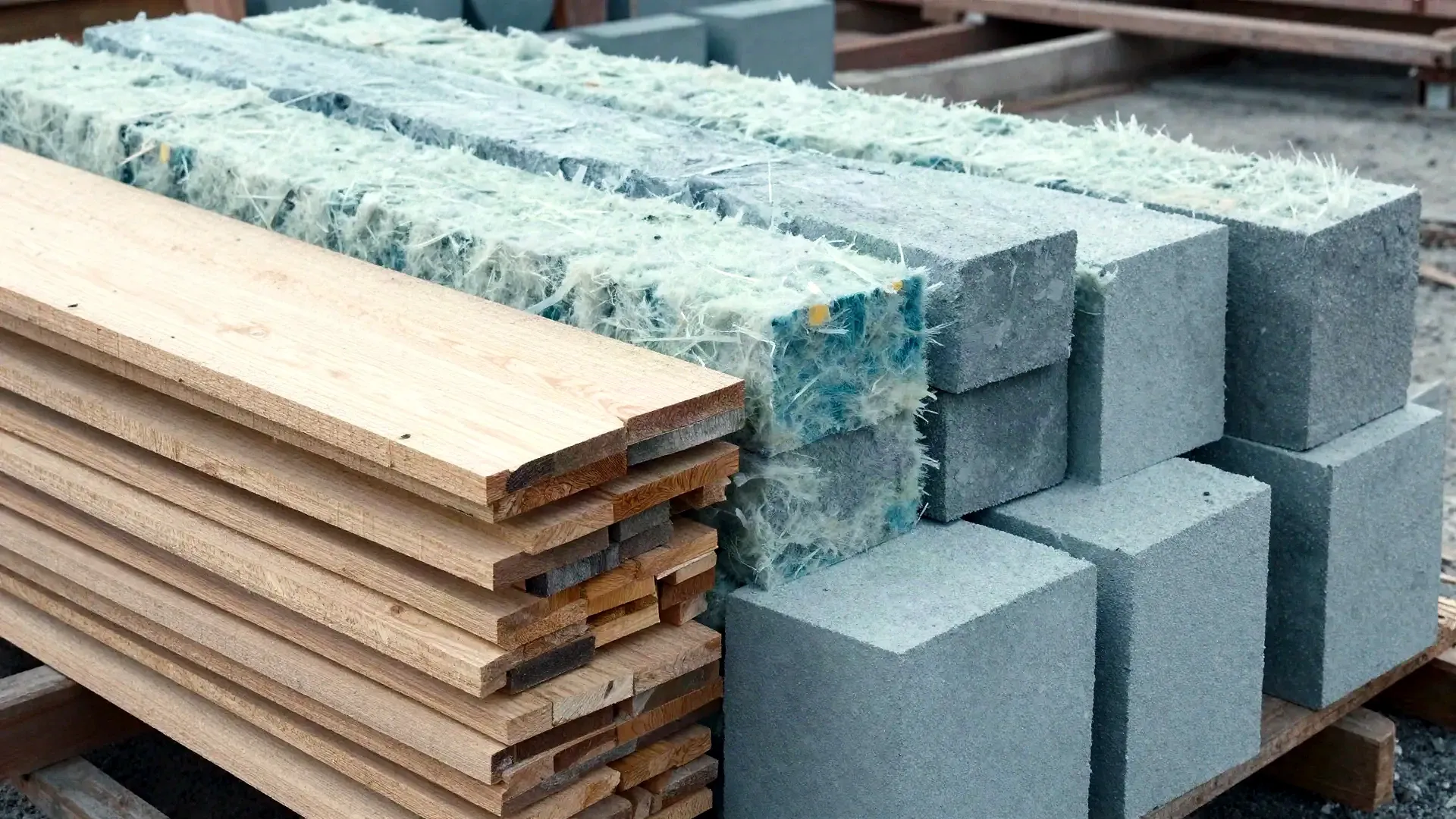
“Sustainable” covers everything from genuinely excellent to expensively pointless. Here’s what we actually specify on our own projects, what we’ve stopped using, and why.
What we mean by sustainable
We use it to mean three measurable things: lower embodied carbon, a longer service life, and a lower running cost for whoever ends up in the building. A material that scores well on one and badly on the others is a trade-off, not a win, and it should be presented to you that way.
Timber frame and the carbon question
Timber frame is the single biggest embodied-carbon saving available on most residential projects, and it goes up faster than masonry. The caveats are real though: it demands a much better airtightness detail, and it is unforgiving of sloppy site work. We specify it often, but never on a project where the programme has already been compressed.
Insulation: where the money goes furthest
If you only have budget for one upgrade, put it here. Going beyond the minimum standard on insulation and airtightness returns more over a building’s life than almost anything else you can specify, and it costs a fraction of what people expect.
Recycled aggregate and when it works
Perfectly good for sub-base, fill, and non-structural applications. We use it routinely. Be more careful in structural concrete, where consistency matters more than the marginal carbon saving.
What we’ve stopped specifying, and why
Several “eco” boards and finishes we trialled a few years ago have quietly failed in service. We now hold to a simple rule: nothing goes into a client’s building unless we have seen it perform for five years or it carries a warranty that would survive the manufacturer going under.
Planning a project of your own?
Quotes are free, and we reply within one working day.